
Tattoo aftercare instructions sheets are vital resources, offering guidance for proper healing and preservation of new tattoos.
These printable guides, often provided by studios, detail cleaning, moisturizing, and protection from infection and sun exposure.
Why Aftercare is Crucial
Proper tattoo aftercare is absolutely crucial for a multitude of reasons, extending far beyond simply aesthetics; Following detailed tattoo aftercare instructions sheets directly impacts the vibrancy, longevity, and overall health of your new ink. Neglecting aftercare significantly increases the risk of infection, leading to potential complications and even requiring medical intervention.
A well-cared-for tattoo heals cleanly, retaining its color and crisp lines. Conversely, improper care can result in faded colors, distorted designs, and unsightly scarring. Instructions sheets emphasize the importance of maintaining a sterile environment during the initial healing phase, preventing bacteria from entering the open wound.
Furthermore, diligent aftercare minimizes the chances of allergic reactions and ensures the skin heals properly, reducing the likelihood of keloid formation. Ultimately, investing time and effort into aftercare is an investment in the artwork itself, safeguarding its beauty for years to come.

The Healing Process: A Timeline
Understanding the stages of tattoo healing, as outlined in most tattoo aftercare instructions sheets, is essential for proper care. Initially (days 1-3), the tattoo appears raw and weeps fluid – this is normal. Following the sheet’s guidance on gentle cleaning is key.
During week one, inflammation subsides, and the tattoo begins to scab. Instructions sheets strongly advise against picking at scabs, as this can pull out ink and cause scarring. Weeks two to three involve peeling and flaking, resembling a sunburn. Continued moisturizing, as detailed on the sheet, is vital.
By weeks four to six, the outer layers of skin have healed, but deeper layers continue to mend. Full healing can take up to three months. Aftercare instructions sheets emphasize that even after the surface appears healed, continued sun protection is crucial for maintaining color vibrancy and preventing long-term damage.

Initial Aftercare (First 24-72 Hours)
Tattoo aftercare instructions sheets prioritize keeping the new tattoo clean and protected during the first 72 hours, often recommending Saniderm or gentle washing.
Keeping the Tattoo Clean: Gentle Washing
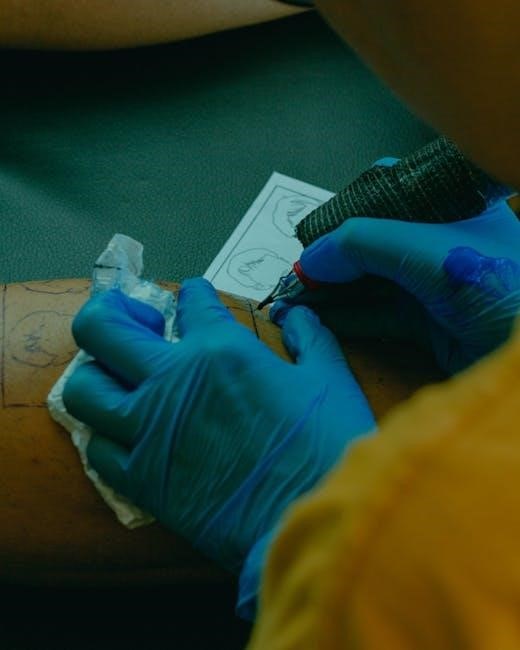
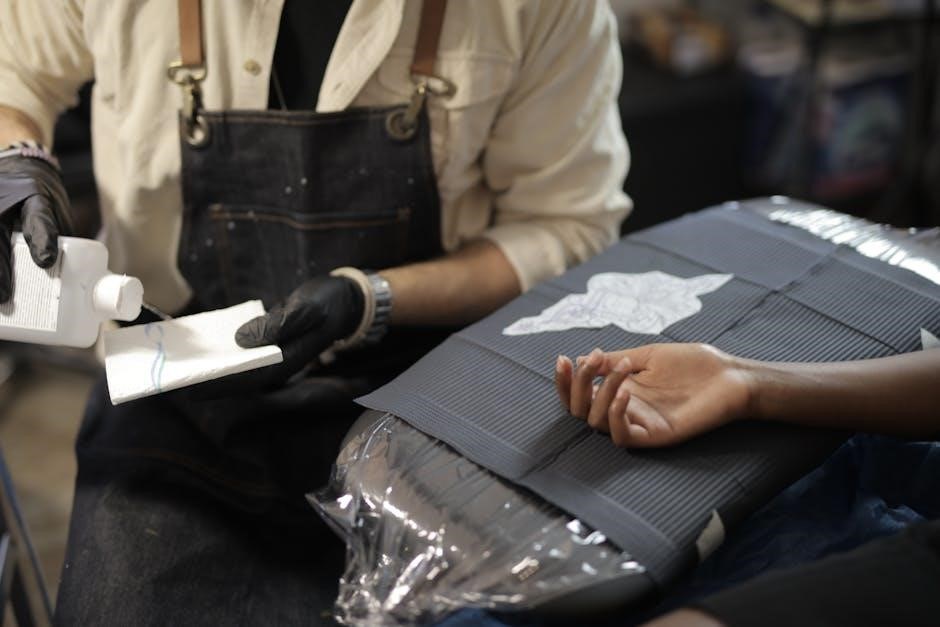
Tattoo aftercare instructions sheets consistently emphasize gentle washing as a cornerstone of initial healing. Immediately after removing any bandage, or after the recommended Saniderm period, begin washing the tattoo two to three times daily.
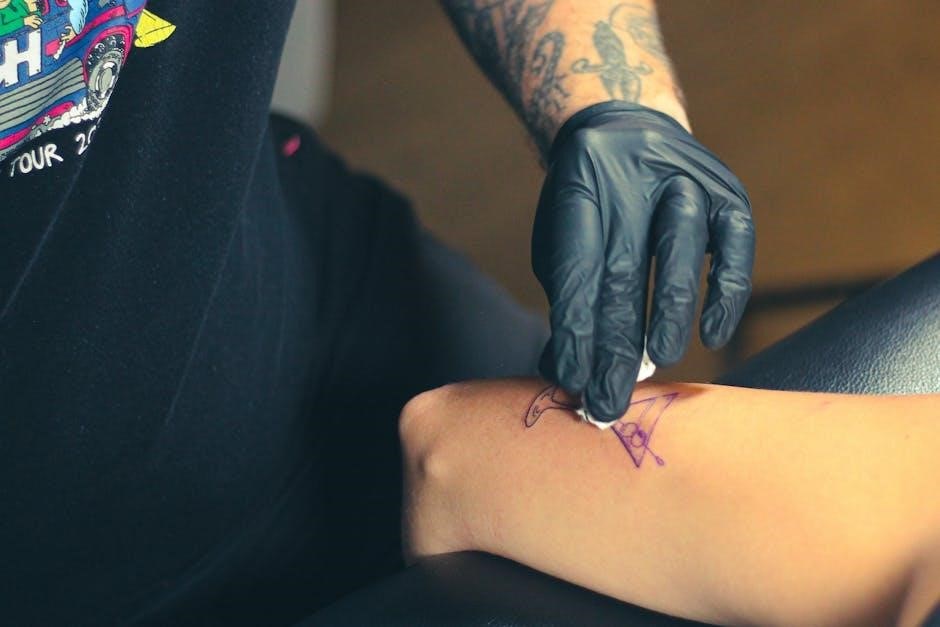
Use lukewarm water and a mild, fragrance-free soap – avoid harsh chemicals, alcohol, or heavily scented products. Gently lather the soap in your hands before applying it to the tattoo; never apply soap directly.
Use your fingertips to delicately cleanse the area, removing any plasma, ink, or excess ointment. Avoid scrubbing or using washcloths, as these can irritate the skin. Rinse thoroughly with lukewarm water, ensuring all soap residue is removed.
After washing, pat the tattoo dry with a clean paper towel – do not rub. This careful cleaning process prevents infection and promotes optimal healing, as detailed in most professional tattoo aftercare instructions sheets.
Saniderm/Second Skin Application & Monitoring
Many tattoo aftercare instructions sheets now recommend Saniderm or other “second skin” adhesive bandages. These breathable, waterproof coverings protect the tattoo and maintain a moist healing environment. Apply the bandage immediately after washing and drying the tattoo, ensuring the skin is completely clean.
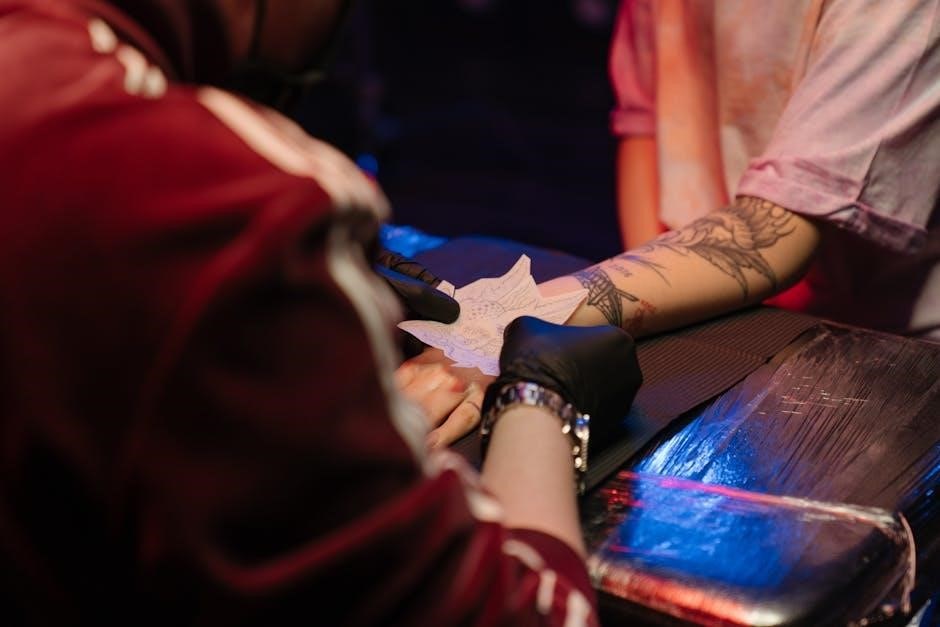
Monitor the bandage closely for leaks, lifting edges, or excessive fluid buildup. A small amount of fluid underneath is normal, but significant leakage indicates a compromised seal. If the bandage begins to peel, do not force it off; gently clean the area and reapply a fresh bandage.
Typically, Saniderm can be left on for 3-7 days, as outlined in most tattoo aftercare instructions sheets. Remove it slowly and carefully under lukewarm water. Continue with gentle washing and moisturizing after removal, even if the skin appears healed.
Remember, if the Saniderm is compromised, or causes irritation, discontinue use and revert to traditional aftercare methods.
Signs of Normal Healing vs. Infection
Tattoo aftercare instructions sheets emphasize differentiating between normal healing and infection. Expect redness, mild swelling, and oozing of clear or slightly colored fluid during the first few days – these are typical responses.
Some scabbing and peeling are also normal, but do not pick at the scabs, as this can pull out ink and cause scarring. Itching is common, but resist the urge to scratch. Gentle patting can provide relief.
Signs of infection, as detailed in most tattoo aftercare instructions sheets, include excessive redness, swelling, pain, pus (yellow or green discharge), fever, and red streaks radiating from the tattoo. These symptoms require immediate medical attention.
If you notice any signs of infection, do not hesitate to consult a doctor. Early intervention is crucial to prevent complications and ensure proper healing. Always follow the guidance provided on your specific aftercare sheet.
Ongoing Aftercare (Weeks 1-2)
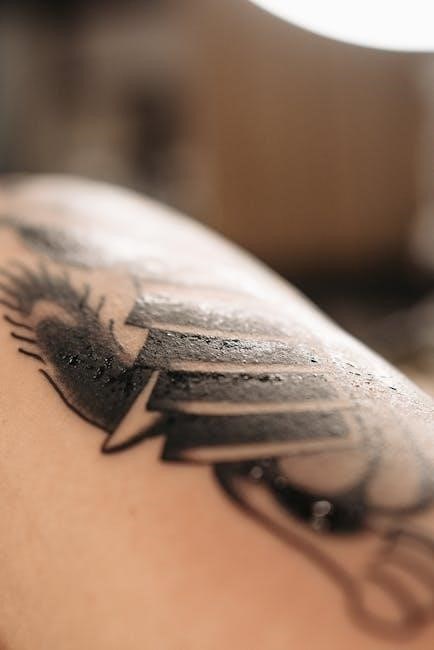
Tattoo aftercare instructions sheets detail continued moisturizing and protection during weeks one and two, avoiding irritation from clothing and sun exposure for optimal healing.
Moisturizing Your Tattoo: Recommended Products
Maintaining hydration is paramount during the ongoing aftercare phase, typically weeks one and two. Tattoo aftercare instructions sheets consistently emphasize the importance of keeping the newly tattooed skin moisturized to prevent excessive dryness, cracking, and subsequent complications.
However, not all moisturizers are created equal. Avoid products containing harsh chemicals, fragrances, or dyes, as these can cause irritation and hinder the healing process. Recommended products frequently listed on these sheets include fragrance-free, hypoallergenic lotions specifically designed for sensitive skin.
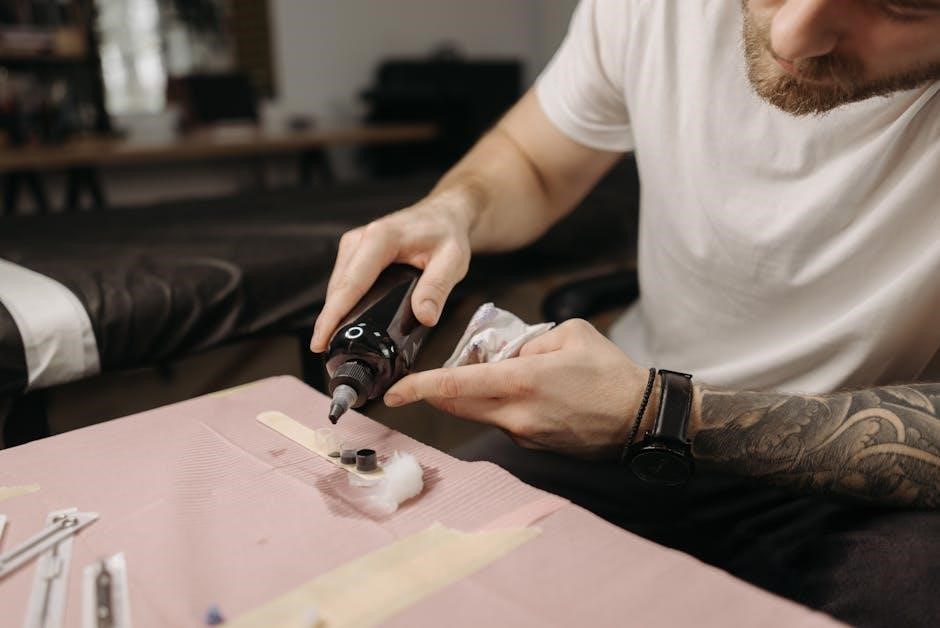
Examples often cited are Aquaphor Healing Ointment (used sparingly in the initial stages), and unscented lotions like Lubriderm or Eucerin. Applying a thin layer of moisturizer several times a day – typically 2-3 times – is advised. The goal is to keep the tattoo subtly hydrated, not saturated. Over-moisturizing can be as detrimental as under-moisturizing, potentially leading to issues like clogged pores or prolonged healing times. Always follow the specific recommendations provided by your tattoo artist, as they know your skin and the tattoo best.
Avoiding Irritation: Clothing & Activities
Tattoo aftercare instructions sheets universally stress minimizing irritation during the healing process. This extends to both clothing choices and physical activities. Tight-fitting clothing should be avoided as it can rub against the tattoo, causing friction, hindering airflow, and potentially disrupting the healing skin. Opt for loose, breathable fabrics like cotton that won’t stick to the area.
Regarding activities, strenuous exercise and prolonged sweating are generally discouraged for the first few weeks. Excessive sweating can introduce bacteria and increase the risk of infection. Similarly, submerging the tattoo in water – including swimming, baths, and hot tubs – is strictly prohibited, as it can lead to infection and damage the ink.
Even everyday activities like prolonged sun exposure should be avoided (addressed in a separate section). Listen to your body and avoid anything that causes discomfort or pain to the tattooed area. Following these guidelines, as detailed on your aftercare sheet, will significantly contribute to a smooth and successful healing process.
Sun Protection: Essential for Long-Term Care
Tattoo aftercare instructions sheets consistently emphasize the critical importance of sun protection for maintaining the vibrancy and integrity of your tattoo. Freshly healed skin is exceptionally sensitive to UV rays, and prolonged sun exposure can cause significant fading and damage to the ink pigments.
Even years after healing, consistent sun exposure will contribute to color loss and blurring. Therefore, sunscreen with a high SPF (30 or higher) is non-negotiable whenever the tattoo is exposed to sunlight. Reapplication is crucial, especially after swimming or sweating.
Consider clothing as a primary form of sun protection – covering the tattoo with tightly woven fabrics offers excellent defense. Avoid intentional sun tanning with a new tattoo, and remember that sun damage is cumulative. Following these guidelines, as outlined on your aftercare sheet, will help preserve your tattoo’s brilliance for years to come.
Potential Complications & Troubleshooting
Tattoo aftercare instructions sheets detail potential issues like infection, scabbing, and allergic reactions. Recognizing symptoms and promptly addressing them is crucial for optimal healing.
Recognizing Infection: Symptoms & Action
Tattoo aftercare instructions sheets emphasize vigilance for infection signs. These include excessive redness, swelling, persistent pain, pus or yellowish discharge, and fever. A slight redness and mild swelling are normal during initial healing, but worsening symptoms require immediate attention.
If you suspect an infection, do not attempt self-treatment. Remove any bandage or Saniderm immediately. Gently wash the tattoo with antibacterial soap and water. Crucially, seek medical attention from a doctor or urgent care facility promptly.
Explain to the medical professional that you have a new tattoo and suspect an infection. They may prescribe oral or topical antibiotics. Following their instructions precisely is vital. Ignoring an infection can lead to severe complications, including scarring and systemic illness. Your aftercare sheet should clearly state: “If you suspect an infection, consult a medical professional immediately.”
Dealing with Scabbing & Peeling
Tattoo aftercare instructions sheets universally warn against picking at scabs. Scabbing and peeling are a natural part of the healing process as your skin regenerates. Picking can remove ink, causing patchy coloration and potential scarring. Allow scabs to fall off naturally – do not force them.
Gentle moisturizing, as outlined in your aftercare sheet, is key to minimizing scabbing and peeling. Apply a thin layer of recommended ointment or lotion several times daily. This keeps the skin supple and reduces itching. Avoid harsh scrubbing or exfoliating during this phase.
It’s normal for small flakes of skin to appear. Resist the urge to peel them; let them detach on their own. Your aftercare sheet should emphasize patience: “Trust the process and allow your tattoo to heal naturally.” If excessive scabbing or unusual peeling occurs, consult your tattoo artist.
Allergic Reactions: What to Watch For
Tattoo aftercare instructions sheets often include a section on recognizing allergic reactions, though they are relatively uncommon. Symptoms can range from mild to severe and may appear days or even weeks after getting tattooed. Watch for persistent, intense itching beyond normal healing discomfort.
A rash around the tattoo, characterized by small bumps or blisters, is a key indicator. Excessive redness, swelling, and warmth localized to the tattooed area should also raise concern. Your aftercare sheet might advise monitoring for hives or raised welts.
In severe cases, an allergic reaction can manifest as difficulty breathing or swelling of the face, lips, or tongue – seek immediate medical attention if these occur. If you suspect an allergy, remove any aftercare products and consult a doctor or your tattoo artist immediately. Document any reactions for medical professionals.
Long-Term Tattoo Care
Tattoo aftercare instructions sheets emphasize ongoing care for vibrancy. Consistent sun protection prevents fading, and touch-ups may be needed years later to maintain color.
Maintaining Color Vibrancy
Tattoo aftercare instructions sheets consistently highlight the importance of preserving your tattoo’s vivid colors over the years. A key factor is diligent sun protection; UV rays are notorious for causing ink to fade and blur. Always apply a broad-spectrum sunscreen with a high SPF to your tattooed areas whenever exposed to sunlight, even on cloudy days.
Beyond sun protection, regular moisturizing plays a crucial role. Keeping the skin hydrated helps maintain ink saturation and prevents dryness, which can make colors appear dull. Choose a fragrance-free, hypoallergenic moisturizer recommended by your artist or a dermatologist.
Furthermore, lifestyle factors can impact color vibrancy. A healthy diet and adequate hydration contribute to overall skin health, which in turn supports tattoo longevity. Avoiding excessive rubbing or friction on the tattooed area can also help prevent premature fading. Following these guidelines, as detailed in your tattoo aftercare instructions sheet, will ensure your artwork remains vibrant for decades to come.
Sun Exposure & Fading
Tattoo aftercare instructions sheets universally emphasize the detrimental effects of sun exposure on tattoo vibrancy. Ultraviolet (UV) rays are the primary culprit behind fading, causing ink particles to break down and disperse within the skin. Even a single sunburn on a new tattoo can significantly impact its long-term appearance.
Protecting your tattoo from the sun is paramount, especially during the initial healing phase and throughout its lifespan. Once healed, always apply a broad-spectrum sunscreen with a high SPF (30 or higher) to tattooed areas whenever they’re exposed to sunlight. Reapplication is crucial, particularly after swimming or sweating.
Consider clothing as a physical barrier; covering your tattoo with tightly woven fabric offers additional protection. Remember, fading is a gradual process, but consistent sun protection, as outlined in your tattoo aftercare instructions sheet, can dramatically slow it down, preserving your tattoo’s colors and clarity for years to come.
Touch-Ups: When are they Necessary?
Tattoo aftercare instructions sheets often don’t explicitly detail touch-ups, but understanding when they might be needed is crucial for long-term satisfaction. While properly cared-for tattoos should remain vibrant, several factors can necessitate a touch-up years down the line.
Fading due to sun exposure, even with diligent sunscreen use, is a common reason. Skin aging and natural cell turnover can also subtly alter a tattoo’s appearance over decades. Additionally, certain areas of the body – like fingers, wrists, and feet – tend to fade faster due to increased friction and sun exposure.
If you notice significant blurring, patchy color, or areas where the ink has noticeably lightened, consult your original artist. A touch-up involves re-inking specific areas to restore the tattoo’s original definition. Following your initial tattoo aftercare instructions sheet diligently minimizes the need for future touch-ups, ensuring lasting results.
Professional Resources & Contact Information
Tattoo aftercare instructions sheets emphasize following your artist’s specific guidance. Contact them with concerns, and seek medical attention if infection symptoms arise, as detailed in guides.
Your Tattoo Artist’s Specific Instructions
Your tattoo artist’s instructions are paramount; they know the specific techniques and inks used in your tattoo.
Many tattoo aftercare instruction sheets highlight this point, stressing that general advice should be supplemented by personalized guidance.
Artists often provide detailed handouts, or verbally explain the process, covering everything from initial cleaning to long-term care.
These instructions may vary based on tattoo size, location, and individual skin type.
Specifically, inquire about preferred cleaning solutions (often fragrance-free, antibacterial soap), recommended moisturizers (like unscented lotions or balms), and the duration of bandage application – whether traditional or utilizing second-skin bandages like Saniderm.
Don’t hesitate to ask about activity restrictions, sun protection protocols, and what constitutes normal healing versus signs of potential complications.
Following their advice diligently significantly contributes to a vibrant, healthy, and long-lasting tattoo.
When to Seek Medical Attention
Tattoo aftercare instruction sheets consistently emphasize knowing when a healing tattoo requires professional medical evaluation; While some redness and swelling are normal, certain symptoms warrant immediate attention.
Seek medical help if you experience excessive bleeding, pus or unusual discharge, increasing pain despite over-the-counter pain relief, or a fever. These could indicate an infection requiring antibiotics.
Signs of a severe allergic reaction, such as hives, difficulty breathing, or significant swelling beyond the tattoo area, also demand immediate medical intervention.
Don’t self-treat suspected infections; prompt diagnosis and treatment are crucial to prevent complications. If you’re unsure whether a symptom is normal or concerning, err on the side of caution and consult a doctor. Ignoring potential issues can lead to scarring or more serious health problems.