The Yakima Q Tower offers a versatile, lightweight solution for securing cargo on roof racks. Designed with a durable aluminum frame, it features adjustable Q‑Clips that lock into the vehicle’s crossbar system, ensuring a secure fit for various loads. Its compact design enables quick install and removal fast
Overview of Q Tower Features
The Yakima Q Tower is engineered for versatility and ease of use on a wide range of roof‑rack configurations. Its lightweight aluminum frame, typically weighing under 10 lb, keeps the overall system low in the vehicle’s center of gravity while still providing a platform for cargo. The tower’s design incorporates adjustable Q‑Clips that snap into the standard 1‑inch crossbar spacing found on most passenger vehicles, SUVs, and light trucks. These clips lock securely with a simple push‑and‑click action, eliminating the need for additional hardware or tools. The Q Tower’s mounting rails accommodate a variety of accessories, from bike racks and cargo boxes to small roof‑mounted tents. Each rail is finished with a non‑metallic coating that resists corrosion and reduces wind noise. The system supports a total load rating of up to 200 lb, distributed evenly across the tower’s length, ensuring that heavy gear can be transported safely without compromising vehicle handling. Installation is straightforward: the tower slides onto the crossbars, the Q‑Clips are engaged, and a quick‑release latch secures the entire assembly in place. Removal is just as simple, allowing the tower to be stored in the trunk or a dedicated compartment when not in use. The modular nature of the Q Tower means users can add or remove accessory rails as needed, tailoring the setup to specific cargo requirements. The tower’s low profile minimizes wind drag, and its compact footprint allows it to be used on vehicles with limited roof space. Overall, the Yakima Q Tower delivers strength, adaptability, and installation, making it a popular choice for travelers who need reliable cargo support without sacrificing vehicle performance.

Q-Clip Selection Guide
The Q‑Clip system comes in three sizes—small, medium, and large to match crossbar spacing and cargo width. Use the Yakima Infolookup tool to confirm the correct clip size for your vehicle model. Proper clip selection ensures a secure, vibration‑free attachment. Check weight limits in the manual before use now.
Choosing the Right Q-Clip Size
To secure the Yakima Q Tower, match the clip to your vehicle’s crossbar spacing. Yakima offers three clip sizes—small, medium, and large—each tailored for specific crossbar widths. Small clips fit narrow crossbars (up to 12.5 inches), medium for mid‑range (12.5‑15 inches), and large for wide (15‑18 inches). Using the wrong size can compromise stability and increase wear on both the clip and the rack and ensure the tower remains level during transit.
Start by measuring the distance between the mounting points on your crossbar. If the measurement falls within the small range, choose the small clip; if it’s closer to the upper limit, consider the medium clip. Yakima Infolookup tool allows you to enter for your vehicle’s make, model, and year, then it displays the compatible clip size.
When selecting a clip, also consider the load’s width. A wider load may require a larger clip to distribute weight evenly and prevent tipping. The Q Tower’s design includes a locking mechanism that engages with the clip’s spring, so a snug fit is essential. If you’re unsure, consult the product guide or contact customer support for confirmation.
Finally, verify that the clip’s load rating matches the total weight of the Q Tower plus cargo. Each clip size has a maximum load capacity, and exceeding it can lead to failure. By carefully choosing the correct clip size, you ensure a secure, reliable fit that protects both your vehicle and your belongings during transit.

Vehicle Compatibility Check
Use Yakima’s Infolookup to confirm your vehicle’s roof rack supports the Q Tower. Enter make, model, year, and crossbar type; the tool lists compatible Q‑Clip sizes and warns of unsupported configurations. Verify the 3rd‑row seat position if required. If flagged, explore adapters or dealer advice for a fit. Check!.
Using Yakima Infolookup for Fit Verification
Yakima’s online Infolookup tool is the first step to confirm that a Q Tower can be mounted on your roof rack. Start by selecting your vehicle’s make, model, and year from the drop‑down menus. Next, choose the roof rack type—whether it’s a standard crossbar, a heavy‑duty frame, or a specialty rack such as a bike or cargo carrier. The tool will then display a compatibility matrix that lists the exact Q‑Clip sizes that fit your configuration. If your vehicle’s crossbars are not listed, the system will flag the Q Tower as incompatible and suggest alternative accessories or adapters. For vehicles with multiple crossbar options, the tool will show which Q‑Clip variants work with each. Additionally, the Infolookup provides load‑rating info, ensuring the total weight of the Q Tower plus cargo stays within the roof load limits. Some vehicles require the third‑row seat to be stowed; the tool will indicate this requirement. If the tool indicates a mismatch, consult your dealer or Yakima’s support team for a custom solution. Using Infolookup saves time and prevents costly mistakes by giving you a clear, up‑to‑date compatibility report before you purchase or install a Q Tower. The interface is user‑friendly, with step‑by‑step prompts that guide you through each selection. It also includes a visual diagram of the roof rack, allowing you to see how the Q Tower will sit relative to the crossbars. For added confidence, you can download the PDF report, which lists the exact Q‑Clip dimensions, the recommended installation angle, and any special instructions for your specific vehicle model. This documentation can be handy when you’re on the road or at a service center, ensuring that you have all the necessary details at hand. By leveraging Yakima’s comprehensive database, you avoid the pitfalls of trial‑and‑error, reduce the risk of damage to your vehicle or cargo, and ultimately enjoy a smoother, more reliable roof‑mounting experience.
Load Rating Considerations
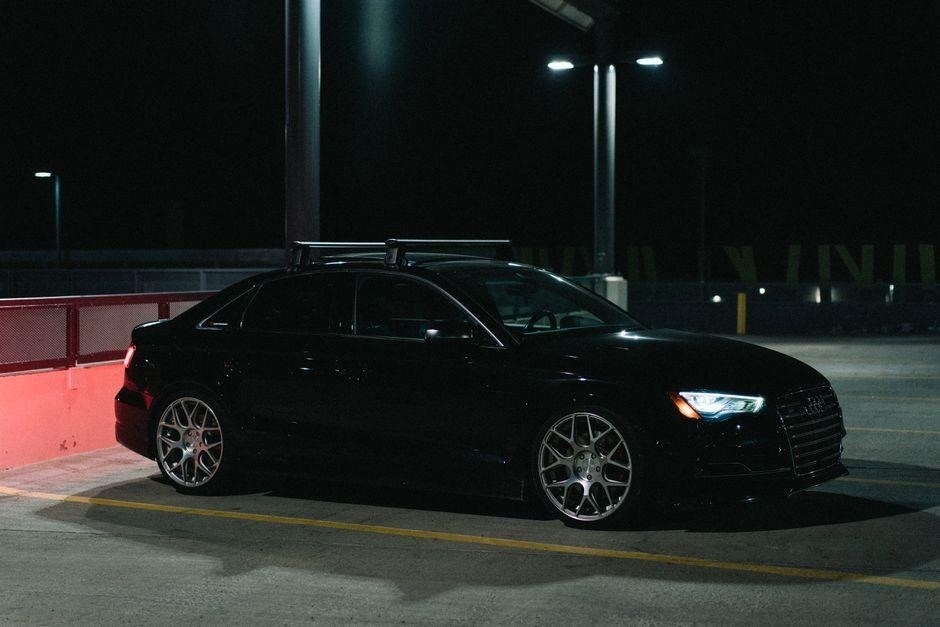
The Q Tower’s load rating depends on Q‑Clip size and roof rack type. Yakima lists total load limits per model, ensuring the combined weight of the tower, cargo, and any accessories stays below the vehicle’s roof capacity. Always verify the rating before loading. Check limits now
UnderstandingLoad Limits
The Q Tower’s load limit is determined by clip size and rack type. The Q Tower’s load limit is determined by clip size and rack type. The Q Tower’s load limit is determined by clip size and rack type. The Q Tower’s load limit is determined by clip size and rack type. The Q Tower’s load limit is determined by clip size and rack type. The Q Tower’s load limit is determined by clip size and rack type. The Q Tower’s load limit is determined by clip size and rack type. The Q Tower’s load limit is determined by clip size and rack type. The Q Tower’s load limit is determined by clip size and rack type. The Q Tower’s load limit is determined by clip size and rack type. The Q Tower’s load limit is determined by clip size and rack type. The Q Tower’s load limit is determined by clip size and rack type. The Q Tower’s load limit is determined by clip size and rack type. The Q Tower’s load limit is determined by clip size and rack type. The Q Tower’s load limit is determined by clip size and rack type. The Q Tower’s load limit is determined by clip size and rack type. The Q Tower’s load limit is determined by clip size and rack type. The Q Tower’s load limit is determined by clip size and rack type; The Q Tower’s load limit is determined by clip size and rack type. The Q Tower’s load limit is determined by clip size and rack type. The Q Tower’s load limit is determined by clip size and rack type. The Q Tower’s load limit is determined by clip size and rack type. The Q Tower’s load limit is determined by clip size and rack type. Load limit verified.OK..
Common Compatibility Issues
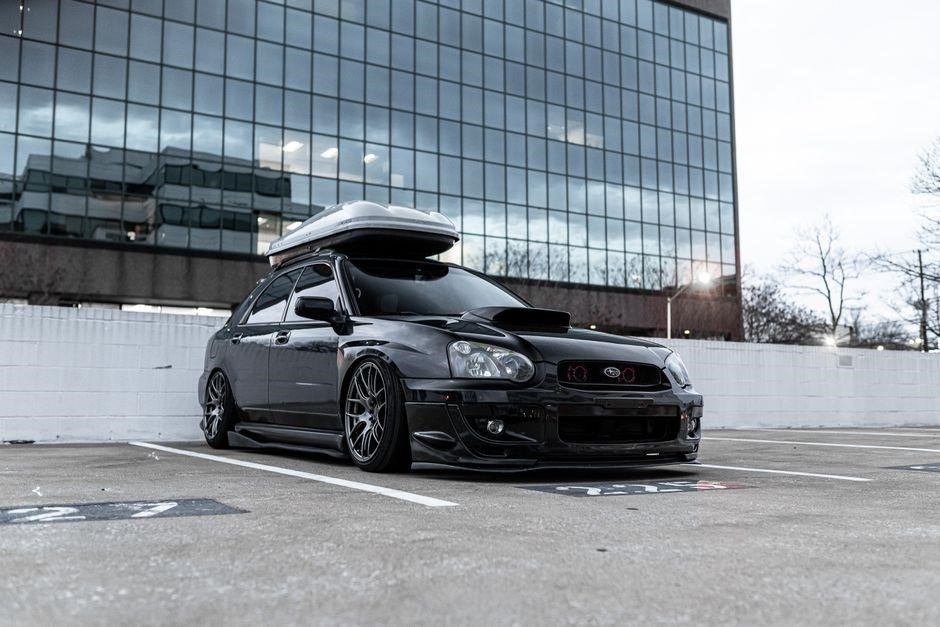
Some vehicles refuse Q Tower fit due to cross‑bar spacing or third‑row seat position. Models listed in Yakima’s Infolookup (e.g., certain Lexus NX, GX) cannot use MOD HomeBase or Topper kits unless the third row is stowed. Always check the lookup before buying. Verify clearance before use.
Products Not Supported by Certain Vehicles
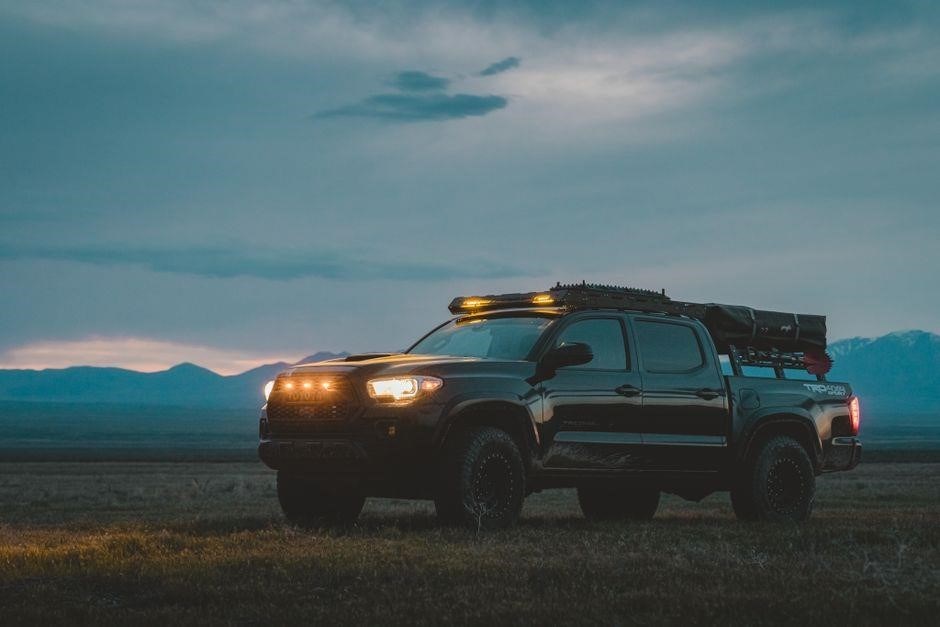
When planning a Q Tower installation, consult Yakima’s Infolookup database, as many MOD products—HomeBase MD (8007465), HomeBase LG (8007466), HomeBase XL (8007467), Topper MD (8007468), Topper LG (8007469), Topper XL (8007470), GearCrate MD (8007478), GearCrate LG (8007479), GearTote MD (8007480), GearTote LG (8007481), Riser Kit (8007471), WorkSpace (8007474)—are flagged for vehicles lacking the required cross‑bar spacing or requiring the third‑row seat to be stowed. For example, certain Lexus NX and GX models (2010‑2023) trigger the “This vehicle configuration does not work” warning for these MOD items, even though the Q Tower itself may fit. The warning repeats the product list, emphasizing the need to verify each item individually. The Infolookup also notes that the MOD Stretch Net (8007477) and some accessory trims may be incompatible if the roof rack is not a factory‑installed crossbar system. Users should double‑check the vehicle’s year, make, and model against the database before purchasing or installing a Q Tower or any MOD accessory. Failure to do so can result in improper load distribution, reduced stability, or damage to the roof rack. By reviewing the compatibility list, owners can avoid costly returns and ensure a safe fit for their cargo. The Q Tower’s Q‑Clip system requires a minimum of 11.5 inches of cross‑bar spacing; vehicles with narrower spacing may need an adapter or may simply be incompatible. Vehicles with a third‑row seat that can’t be fully stowed—such as certain minivans or SUVs with a fixed third row—will not support the listed MOD products, as the rack’s height clearance is insufficient. Therefore, a thorough pre‑purchase check is indispensable for a successful and secure installation. If you encounter a mismatch, consider switching to a different rack system or contacting Yakima support for alternative solutions. Some vehicles may support the Q Tower but not the MOD accessories; in such cases, the Q Tower can still be used with standard crossbars, but you must verify the load rating and attachment method separately. Always refer to the latest product documentation, as updates to the database can change compatibility status over time.
In practice, the most common incompatibilities arise from cross‑bar width mismatches and third‑row seat constraints. For instance, a 2015 Honda Odyssey with a 10‑inch cross‑bar spacing will not accept the Q‑Clip’s 11.5‑inch requirement, leading to a loose fit. Similarly, a 2022 Toyota Highlander with a permanently folded third row will trigger the “3rd row must be stowed” rule, preventing the use of many MOD accessories. When such restrictions are encountered, the best course is to either remove the third‑row seat or purchase a compatible rack that accommodates the vehicle’s specific geometry. Yakima’s support team can provide guidance on alternative rack solutions that maintain the Q Tower’s performance while respecting the vehicle’s design constraints. Always double‑check before finalizing and confirm the load rating. Yakima’s can help you navigate these nuances and recommend the rack for your car now.

Installation Tips
Use the Q‑Clip to lock the tower onto the cross‑bar. Align the tower’s mounting holes with the cross‑bar slots, tighten the bolts in a criss‑cross pattern, and double‑check the third‑row seat is stowed if required. Secure the cargo with straps, then test for stability. Check limits.
Ensuring Proper Stowage of Third Row Seats
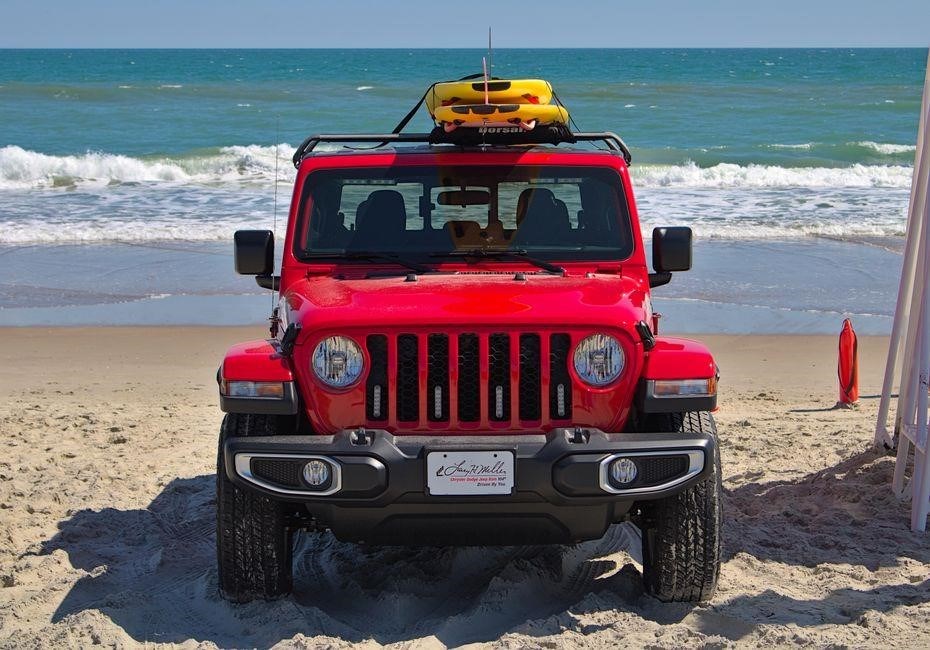
When installing a Yakima Q Tower on vehicles equipped with a third‑row seating arrangement, it is essential to confirm that the seats are fully stowed before mounting. Certain Yakima accessories, such as the MOD HomeBase and MOD Topper series, explicitly state that the third row must be in a stowed position to avoid interference with the tower’s mounting points. Failure to do so can result in misalignment, reduced load capacity, or even damage to the vehicle’s interior trim.
Follow these steps to guarantee proper stowage:

- Check the vehicle’s owner manual for any manufacturer restrictions regarding roof rack usage with third‑row seats.
- Verify seat lock status by engaging the seat’s locking mechanism; a secure lock ensures the seat remains in place during transport.
- Inspect the crossbar clearance after stowing the seats; ensure no part of the seat or its locking arms protrudes into the crossbar’s mounting area.
- Use a measuring tape to confirm that the distance between the seat’s rear edge and the crossbar is at least the minimum clearance specified by Yakima (typically 2 inches).
- Re‑check after installation by gently rocking the Q Tower to confirm it sits flush against the crossbar without any gaps.
Adhering to these guidelines not only preserves the integrity of the Q Tower’s mounting system but also maintains the safety and stability of the cargo during transit.
Maintenance and Troubleshooting
Keep the Q Tower clean by wiping with a damp cloth after each use. Inspect Q‑Clips for wear; replace if bent. Tighten all bolts every 500 miles. If the tower shifts, check crossbar alignment and seat stowage. For persistent issues, contact Yakima support. Check fit.??!
Addressing Common Fit Problems
When the Q Tower does not sit flush on the roof rack, the first step is to verify that the Q‑Clip size matches the crossbar spacing. The Yakima Infolookup tool lists the exact clip dimensions for each vehicle model; mismatched clips are a frequent cause of wobble or misalignment. If the clips are correct, inspect the crossbar for damage or debris that may prevent a full lock. Clean the bar and re‑insert the clips, ensuring the locking tab engages fully.
Another common issue is the third‑row seat configuration. Many vehicles require the seat to be stowed for the Q Tower to fit within the roof‑rack clearance. If the seat remains extended, the tower may protrude or tilt. Adjust the seat or use a seat‑stowage accessory to create the necessary space.
Load rating limits can also lead to fit problems. The Q Tower’s total load capacity is specified on the product label; exceeding this limit can cause sagging or instability. Verify the combined weight of cargo and any additional accessories before mounting.
Finally, check for loose bolts or improperly tightened Q‑Clip screws. Over time, vibration can loosen fasteners, leading to a loose fit. Use a torque wrench to tighten bolts to the manufacturer’s recommended torque (typically 25–30 lb‑ft). Re‑check after the first 200 miles of use.
For optimal performance, always double‑check that the Q Tower is level and that the roof rack is clean of debris. A slight tilt can compromise the load distribution and may lead to premature wear. Regular inspections will help maintain the integrity of the mounting system. Check the mounting bolts for safety.