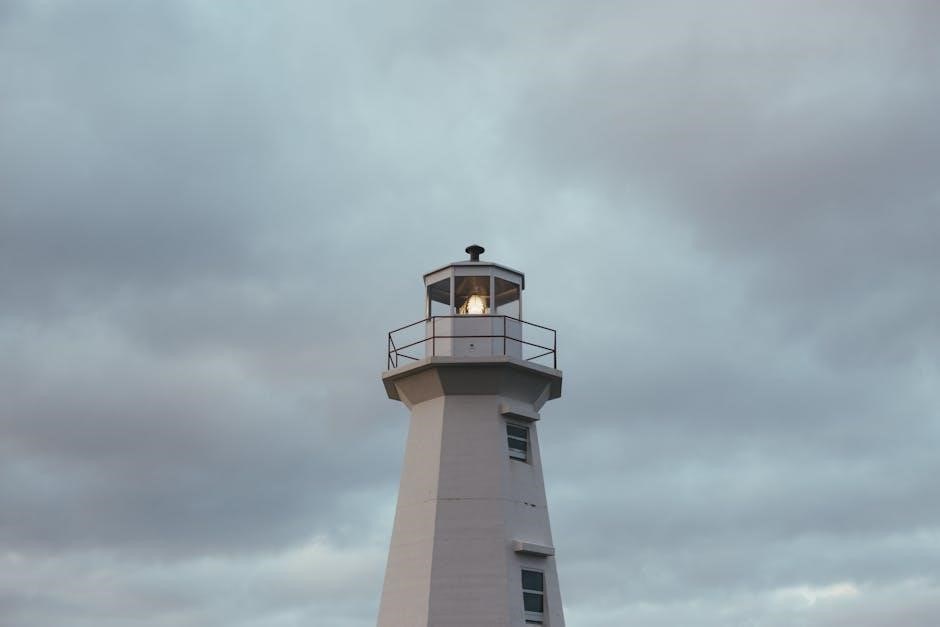
Navigating the vast and often challenging marine environment requires unparalleled expertise and insight. A sea guide serves as an essential figure, bridging the gap between human exploration and the ocean’s intricate realities. Their presence is truly indispensable for safety and enriching maritime experiences.
Defining the Modern Sea Guide
The modern sea guide is far more than just a navigator; they are a highly skilled professional embodying a blend of expertise, responsibility, and passion for the marine world. Today’s guide acts as an interpreter of the ocean, leading individuals and groups through diverse aquatic landscapes, from serene coastal waters to challenging offshore environments. Their role extends beyond merely pointing the way; it encompasses ensuring the paramount safety of all onboard, sharing profound knowledge of marine ecosystems, and facilitating unforgettable experiences. They are educators, mentors, and custodians of the sea, often operating specialized vessels. This contemporary definition highlights a dynamic individual equipped not only with traditional maritime skills but also with an understanding of environmental conservation, client management, and effective communication. They adapt to varying client needs, whether it’s for adventure, education, or exploration, always prioritizing a safe and enriching journey. Their proficiency makes complex marine environments accessible and enjoyable, transforming ordinary trips into extraordinary adventures. Essentially, the modern sea guide is a crucial link between humanity and the ocean’s wonders, offering invaluable expertise that profoundly enhances appreciation and respect for our vital blue planet.
Historical Significance of Maritime Guidance
The role of maritime guidance dates back to antiquity, proving fundamental to human exploration, trade, and even warfare across vast oceans. Early civilizations relied heavily on individuals with intimate knowledge of local coastlines, prevailing winds, currents, and hidden hazards to navigate their vessels safely. These original “sea guides” were often local fishermen or experienced sailors whose expertise was crucial for entering unfamiliar ports, avoiding treacherous reefs, or traversing dangerous straits. Their invaluable oral traditions and practical skills prevented countless shipwrecks and facilitated the establishment of vital trade routes, allowing cultures to connect, goods to be exchanged, and economies to flourish. As maritime technology advanced and global trade intensified, so did the formalization of guidance, leading to the emergence of dedicated pilots who would board incoming ships to steer them through complex harbor approaches. This historical evolution underscores the enduring necessity of specialized, localized knowledge for safe passage at sea. From the legendary Polynesian navigators using stars and wave patterns to the medieval port pilots, maritime guidance has always been a cornerstone of seafaring, enabling discovery, commerce, and the expansion of human civilization across the globe. Their contributions profoundly shaped our understanding of the world and continue to influence modern navigation practices, cementing their legacy as indispensable figures throughout maritime history.
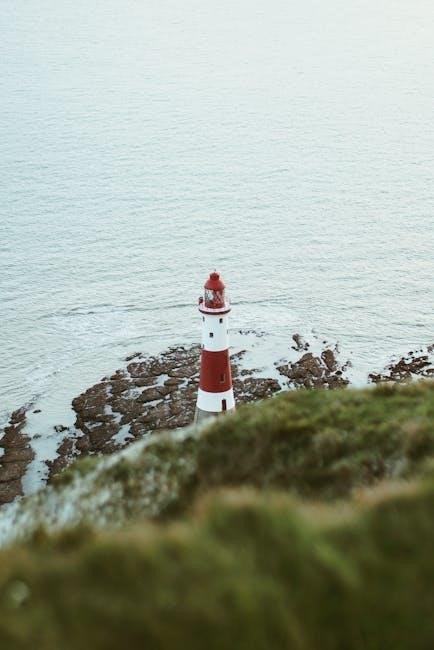

Diverse Realms of Sea Guiding
Sea guiding extends across numerous distinct specializations within the marine world. These experts offer crucial assistance and unique opportunities, applying their profound understanding to various aquatic environments and client needs effectively.
Navigational and Pilotage Services
Navigational and pilotage services represent a cornerstone of professional sea guiding, particularly in commercial maritime operations. These specialized guides, often referred to as marine pilots, are indispensable for ensuring the safe transit of vessels, ranging from colossal cargo ships and oil tankers to passenger liners, through intricate and potentially perilous waterways. Their expertise is paramount when navigating challenging environments such as congested harbors, winding rivers, narrow channels, and areas with complex tidal patterns or hidden underwater hazards. A pilot possesses an intimate, real-time knowledge of local currents, depths, shifting sandbanks, and prevailing weather conditions that cannot be fully captured by electronic charts alone.
They board incoming or outgoing ships, taking advisory or direct command from the ship’s captain to steer the vessel precisely and securely. This critical intervention prevents costly accidents, groundings, and collisions, safeguarding lives, cargo, and the marine environment. Their proficiency extends beyond practical seamanship to a deep understanding of international maritime law, local port regulations, and advanced navigation systems, including radar, GPS, and AIS. The precision and judgment exercised by these guides are crucial for maintaining the seamless flow of global trade and ensuring maritime safety in some of the world’s busiest and most complex shipping lanes. Without their specialized guidance, the risks associated with large vessel movements in constrained waters would be significantly amplified.
Marine Ecotourism and Wildlife Expeditions
Sea guides specializing in marine ecotourism and wildlife expeditions play a crucial role in connecting visitors with the natural wonders of the ocean. These guides lead immersive experiences such as whale watching, dolphin encounters, snorkeling with turtles, or birdwatching trips to remote islands. Their profound knowledge of marine ecosystems, local species, and animal behaviors enriches every journey. They possess an uncanny ability to spot elusive wildlife and interpret their actions, providing guests with unforgettable educational opportunities. Beyond simply locating animals, ecotourism guides are passionate advocates for conservation, educating participants about environmental stewardship and the importance of protecting fragile marine habitats. They ensure all interactions are conducted responsibly, adhering to strict ethical guidelines to minimize disturbance to wildlife. This includes maintaining safe distances, avoiding sudden movements, and respecting breeding grounds or feeding areas. Guests rely on these guides not only for wildlife sightings but also for their expertise in navigating specific marine environments safely, often in remote or challenging conditions. These expeditions foster a deeper appreciation for biodiversity and inspire actions towards ocean preservation, making the sea guide an invaluable educator and protector of the marine world.
Recreational Fishing and Diving Charters
Sea guides operating recreational fishing and diving charters are pivotal in facilitating memorable aquatic experiences for enthusiasts. For fishing expeditions, these guides possess an in-depth understanding of local marine environments, including prime fishing grounds, seasonal fish movements, and optimal bait and tackle strategies for target species, from deep-sea giants to inshore catches. They are adept at assisting clients with equipment, ensuring adherence to fishing regulations, and prioritizing safety throughout the journey, ultimately maximizing the chances of a rewarding outing. In the realm of diving, charter guides lead groups to spectacular underwater locations, such as vibrant coral reefs, intriguing historical wrecks, or unique underwater geological formations. They possess extensive knowledge of specific dive sites, current conditions, and the diverse marine life encountered there. These guides conduct comprehensive pre-dive briefings, perform crucial equipment checks, and provide expert in-water guidance, ensuring the safety and enjoyment of divers across all skill levels. Their responsibility extends to navigating the vessel to the best spots, continuously monitoring weather and sea conditions, and being prepared to offer immediate assistance. They are key to transforming a simple trip into an extraordinary and safe adventure, sharing their profound passion and expertise with every guest.
Core Competencies and Essential Knowledge

A proficient sea guide embodies a diverse skill set, integrating deep technical expertise with innate understanding of the marine world. These fundamental competencies and essential knowledge domains form the bedrock of their ability to lead, protect, and inform guests safely and effectively.
Mastery of Seamanship and Navigation
The cornerstone of a sea guide’s expertise is an unwavering mastery of seamanship and navigation. This foundational competency encompasses a comprehensive suite of skills essential for safe and efficient operation of any vessel. Guides must demonstrate exceptional proficiency in boat handling, capable of maneuvering through diverse sea states, currents, and weather conditions with precision and confidence. Their knowledge extends to sophisticated navigation techniques, including expert interpretation of paper and electronic charts, GPS systems, radar, and depth sounders. Accurate course plotting, precise position fixing, and meticulous passage planning are daily requirements, demanding meticulous attention to detail and a deep understanding of maritime geography. Furthermore, a guide must possess an innate ability to read the ocean, interpreting weather patterns, tidal movements, and wave dynamics to anticipate potential challenges and adapt routes accordingly. This includes adherence to the International Regulations for Preventing Collisions at Sea (COLREGs) and proficient use of all onboard safety equipment. Traditional seamanship skills, such as advanced knot tying, proper anchoring procedures, and routine vessel maintenance checks, are equally vital, ensuring the vessel’s operational integrity. This holistic command of nautical arts guarantees client safety and provides a seamless, secure experience, allowing guests to fully immerse themselves in their marine adventure without concern.
In-depth Marine Biology and Conservation
A sea guide’s expertise extends significantly into marine biology and conservation, transforming expeditions into profound educational experiences. This involves comprehensive knowledge of diverse marine ecosystems, from vibrant coral reefs and intricate kelp forests to the open ocean. Guides are adept at identifying a wide array of marine species—fish, marine mammals, seabirds, and invertebrates—often recognizing them by sight, sound, or distinct behavioral patterns. They grasp the complex interdependencies within these ecosystems, understanding intricate food webs and life cycles. Crucially, the guide serves as an essential educator, interpreting the natural world for clients, explaining ecological principles, and emphasizing biodiversity’s profound importance. This critical role directly informs responsible wildlife viewing practices, ensuring minimal disturbance to animals and their natural habitats. Moreover, guides are keenly aware of pressing conservation challenges like plastic pollution, climate change, habitat degradation, and overfishing. They actively promote environmental stewardship, advocating for sustainable tourism, responsible interaction with the marine environment, and often contributing to citizen science. Their biological acumen not only enriches the client’s journey but also fosters deep respect for the ocean’s fragile beauty, inspiring a collective commitment to its preservation for future generations.
Emergency Preparedness and First Aid
A sea guide’s role extends critically to ensuring the safety of all onboard, making emergency preparedness and first aid paramount competencies. Guides must possess comprehensive training in advanced first aid and CPR, specifically tailored to remote marine environments where immediate medical assistance may be hours away. This includes managing severe injuries, treating hypothermia, heatstroke, seasickness, and allergic reactions, and stabilizing patients until professional help arrives. Beyond medical incidents, guides are experts in anticipating and mitigating a wide range of maritime emergencies. This encompasses mechanical failures, navigation errors, sudden severe weather changes, man overboard situations, and vessel damage. They must be proficient in using all onboard safety equipment, including life rafts, emergency beacons (EPIRBs/PLBs), flares, fire extinguishers, and VHF radios. Developing and regularly practicing detailed emergency response plans is fundamental, ensuring every crew member and client understands their role in a crisis. This proactive approach minimizes risks and enhances the ability to respond effectively. A guide’s ability to remain calm, communicate clearly, and lead decisively under pressure is indispensable during an emergency, instilling confidence and ensuring the best possible outcome for everyone aboard. Their vigilance and readiness are cornerstones of responsible maritime operations.
Exceptional Communication and Leadership
Exceptional communication is a cornerstone of a sea guide’s effectiveness. Guides must adeptly convey vital information, from detailed safety briefings and navigational plans to intriguing facts about marine life, ensuring clarity for all clients. Their ability to articulate complex concepts simply, answer questions patiently, and manage group expectations fosters a positive and informed experience. Effective communication also extends to precise radio usage and seamless coordination with crew or other vessels, crucial for operational efficiency and safety.
Complementing this, robust leadership skills are indispensable. A sea guide must inspire confidence, project authority, and make decisive judgments, particularly in dynamic maritime conditions or unforeseen situations. They are responsible for setting the tone of the expedition, motivating clients, and ensuring everyone adheres to protocols. Leading by example, maintaining composure under pressure, and quickly assessing and responding to challenges are critical. This blend of clear communication and strong, empathetic leadership ensures client safety, promotes enjoyment, and navigates the diverse human and environmental aspects of every sea journey with expertise and grace.
Responsibilities and Ethical Framework
The sea guide’s profession is built upon a foundation of significant responsibilities and a stringent ethical framework. These principles are paramount, dictating their decisions and actions to ensure positive outcomes for both clients and the fragile marine ecosystems they explore.
Ensuring Client Safety and Well-being
Ensuring client safety and well-being is the paramount duty of every sea guide, foundational to all operations. This commitment begins with diligent pre-trip preparations, including comprehensive safety briefings covering emergency protocols, equipment usage (life vests, communication devices), and vessel procedures. Guides possess expert knowledge of their craft’s capabilities, conducting rigorous daily checks for seaworthiness and system functionality.
During expeditions, guides maintain constant vigilance, meticulously monitoring weather, sea conditions, and potential hazards. Their real-time risk assessment skills are crucial, enabling swift decisions to modify routes or activities, avoiding unsafe situations. Essential advanced first aid and emergency response training allows immediate medical assistance. A guide’s calm authority and decisive leadership during unforeseen challenges are indispensable for maintaining control and ensuring effective incident resolution. This meticulous safety approach provides clients confidence to fully immerse, knowing their security is paramount.
Promoting Environmental Stewardship
Sea guides are crucial ambassadors for marine conservation, playing a pivotal role in fostering environmental stewardship. Their responsibility extends beyond navigation to educating clients about delicate ocean ecosystems. Guides actively promote “leave no trace” principles, ensuring all waste is properly managed and removed, preventing pollution that harms wildlife and habitats. They rigorously enforce responsible wildlife viewing guidelines, maintaining respectful distances from marine mammals and birds, prohibiting disturbance or feeding. This ethical approach minimizes human impact on vulnerable species and their surroundings, safeguarding natural behaviors.
Furthermore, guides often collaborate with conservation organizations, participating in data collection or reporting unusual observations, contributing to scientific understanding. They educate passengers on marine protected areas’ importance, explaining rules and ecological benefits. By demonstrating sustainable practices, like anchoring in sand not coral and optimizing fuel efficiency, guides lead by example. This cultivates deep respect for the ocean in clients, inspiring them to become advocates for its protection. Their commitment preserves the beauty and biodiversity of our seas for future generations.
Adherence to Maritime Law and Regulations
Sea guides operate within a complex legal framework, requiring strict adherence to an array of maritime laws and regulations. This responsibility is paramount, ensuring not only the legality of their operations but also the safety of all onboard and the protection of the marine environment. Guides must possess and maintain appropriate licenses and certifications for their vessel type and operational area, which often includes local, national, and international endorsements. They are accountable for ensuring their vessels meet all safety standards, carrying mandatory safety equipment such as life jackets, flares, and communication devices, and conducting regular inspections.
Compliance also extends to navigation rules, speed limits in certain zones, waste disposal protocols, and fishing or diving regulations relevant to their activities. Guides must be knowledgeable about restricted areas, marine protected zones, and any seasonal closures. Reporting requirements for incidents, accidents, or environmental observations are also part of their legal obligations. Staying current with evolving maritime legislation is a continuous professional duty, as laws can change due to environmental concerns, technological advancements, or international agreements. This meticulous observance of legal frameworks underpins the credibility and professionalism of every sea guide.

Building a Career as a Sea Guide
Building a career as a sea guide offers a unique professional path. It demands dedication to mastering the marine environment and serving clients. The journey to becoming an established expert is explored.

Required Certifications and Training
Becoming a qualified sea guide demands comprehensive certifications and rigorous training. A recognized captain’s license or equivalent, such as a Master Mariner credential, is essential, requiring extensive classroom instruction in maritime law, navigation, vessel operation, and safety. This must be coupled with documented practical sea time. Critical safety certifications, like STCW basic training, are mandatory, encompassing personal survival, fire prevention, elementary first aid, and personal safety responsibilities. Specialized roles necessitate additional qualifications; dive guides need professional dive master or instructor certifications, while ecotourism guides pursue interpretive accreditations. Advanced first aid and CPR, often marine-specific components, are universally vital for client safety. These credentials validate competence and unwavering commitment to professionalism, fostering client confidence and ensuring responsible, safe operations. Continuous skill refreshers are highly recommended for peak proficiency.
Accumulating Practical Experience
Accumulating extensive practical experience is the absolute bedrock upon which a truly successful sea guiding career is built, significantly transcending theoretical knowledge alone. Aspiring guides typically commence their journey by serving diligently as deckhands, first mates, or apprentices under the direct tutelage of seasoned maritime professionals. This invaluable, hands-on immersion provides deep, real-world exposure to daily operational routines, encompassing everything from meticulous vessel maintenance and efficient provisioning to adeptly assisting with client management and precise navigation. Through this critical mentorship, they learn the subtle nuances of interpreting complex marine charts in real-time, understanding unpredictable local weather patterns, and mastering intricate vessel handling techniques across diverse and challenging sea states. They painstakingly gain intimate knowledge of specific waterways, including prevailing currents, tidal movements, potential hidden hazards, and the most productive prime locations for diverse activities like wildlife viewing or recreational fishing. Furthermore, practical experience means rigorously honing essential problem-solving skills, reacting calmly and decisively to unexpected situations, and developing a profound, intuitive sense of situational awareness. Over time, these myriad and varied encounters solidify expert seamanship, refine crucial communication abilities, and build the critical confidence necessary to lead maritime expeditions independently and responsibly. It’s an ongoing, continuous learning process, meticulously shaping a guide’s unparalleled expertise.
Networking and Reputation Building
Networking and reputation building are absolutely paramount for any aspiring or established sea guide, creating a robust foundation for long-term career success. Actively engaging with the broader maritime community is crucial; this involves attending local marine industry events, joining professional associations, and establishing strong relationships with other guides, operators, marinas, and local businesses. These vital connections lead to invaluable referrals, collaborative opportunities, and critical insider knowledge about industry trends. Building a stellar reputation, however, extends beyond mere networking; it is meticulously cultivated through consistent excellence in service. Providing exceptional experiences, prioritizing client safety, demonstrating profound environmental responsibility, and maintaining impeccable professionalism on every trip are non-negotiable. Satisfied clients become powerful advocates, spreading positive word-of-mouth endorsements, which remain a most effective form of marketing. Encouraging client testimonials and managing online reviews on platforms like TripAdvisor or Google is also vital. A guide’s reputation for reliability, expertise, and a friendly demeanor significantly influences their ability to attract new bookings and secure repeat business. Ultimately, a strong professional network combined with an unblemished reputation transforms a guide into a highly sought-after expert within the competitive sea guiding sector.

The Evolving Horizon of Sea Guiding
The sea guide’s role constantly evolves, adapting to new environmental challenges and technological advancements. Their indispensable expertise and dedication remain paramount for safe, enriching maritime experiences. This profession will continue to blend ancient wisdom with modern tools, shaping the future of ocean exploration responsibly.
Impact of Technology and Sustainability
Technology profoundly reshapes sea guiding. Advanced GPS, electronic charting, and sonar provide unparalleled navigational precision and real-time marine data. Satellite communication ensures constant contact, enhancing safety and facilitating rapid emergency response. Drones offer aerial perspectives for spotting wildlife or surveying terrains. Digital platforms streamline booking, client communication, and operations. Guides leverage accurate weather forecasting and tide prediction, optimizing routes and timing. These tools increase safety and enrich experiences, allowing guides to share detailed ocean information effectively.
Sustainability is equally critical. Guides adopt eco-friendly practices, minimizing fuel and implementing strict waste management. They educate clients on marine conservation, ecosystem fragility, and responsible wildlife interaction. Sustainable tourism dictates respecting natural habitats, avoiding disturbance, and supporting local conservation. Many guides actively participate in citizen science, collecting data on species or environmental changes, contributing directly to research. This commitment ensures future generations experience the sea, balancing adventure with ecological responsibility. This integration of technology and sustainability defines the evolving ethos of the contemporary sea guide.
The Enduring Value of Expertise
While technology undeniably enhances the capabilities of a sea guide, the enduring value of human expertise remains paramount. No digital chart can fully replicate a seasoned guide’s intimate knowledge of local currents, subtle weather patterns, or hidden underwater topography gleaned from years on the water. Their ability to interpret complex environmental cues, anticipate changes, and make critical, on-the-spot decisions in dynamic conditions is irreplaceable. This deep understanding extends beyond mere navigation; it encompasses an intuitive grasp of marine ecosystems, wildlife behavior, and the nuanced risks inherent in a maritime environment. A guide’s expertise provides an essential layer of safety, confidence, and personalized insight that technology alone cannot offer. They translate raw data into actionable wisdom, ensuring not just a safe passage but also an enriched, memorable experience for clients. This human element, characterized by judgment, adaptability, and a profound connection to the sea, solidifies the guide’s indispensable role, confirming that experience and intuition are assets that will never be obsolete in the vast ocean.